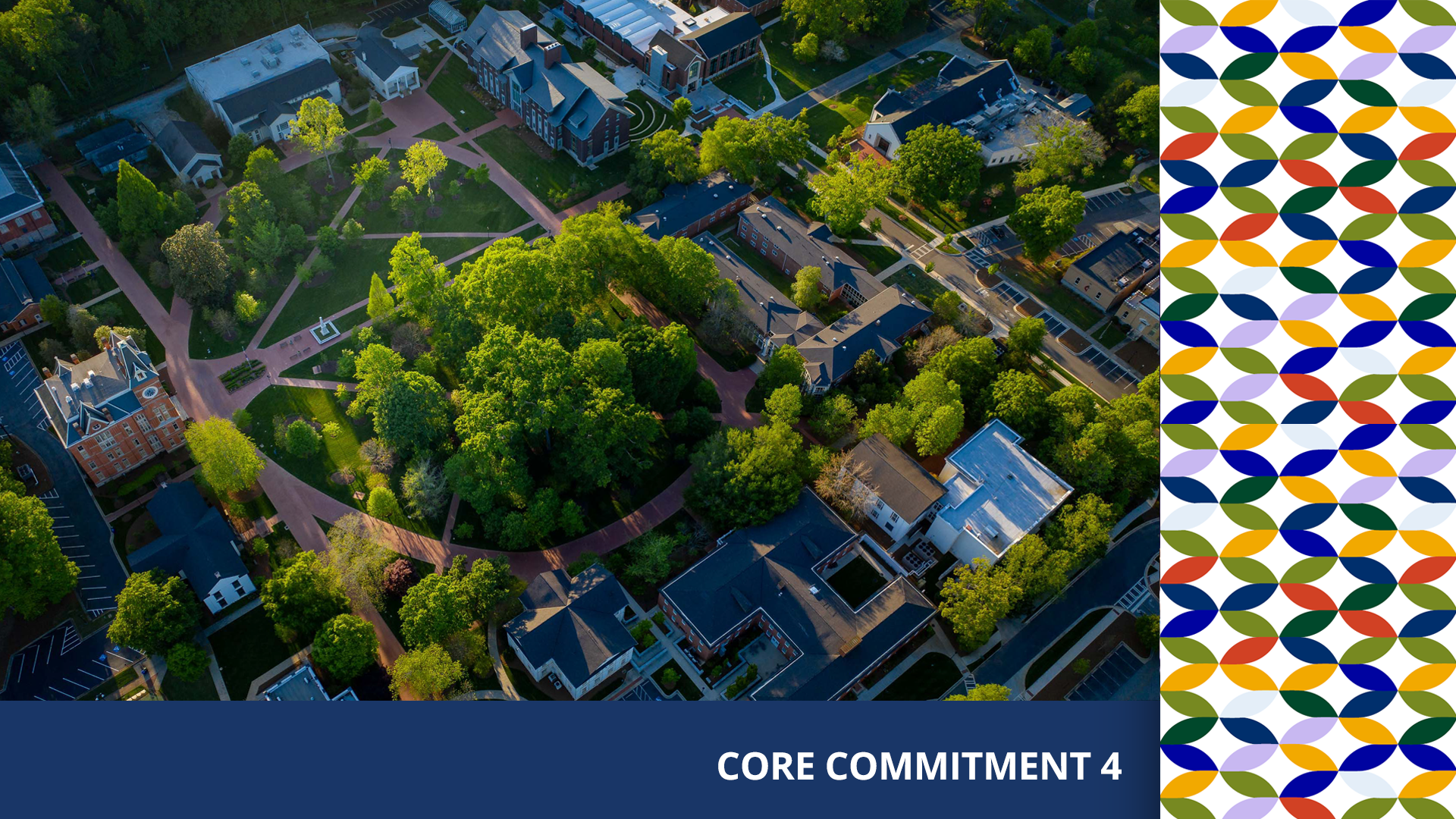
Invest in Oxford’s Physical Infrastructure
The student journey, the strength of our community connections, and the flourishing of our faculty and staff depend greatly on the spaces in which they take shape. This final commitment envisions a campus that does more than support our mission—it pushes it forward. We aspire to create a physical environment that invites inspiration, fosters belonging, and contributes to the well-being of all who learn, teach, and lead at Oxford.
This final commitment envisions a campus that does more than support our mission—it pushes it forward. We aspire to create a physical environment that invites inspiration, fosters belonging, and contributes to the well-being of all who learn, teach, and lead at Oxford.
 The Oxford Master Plan
We will implement a visionary Campus Master Plan that reimagines Oxford’s landscape with new spaces for wellness, creativity, and social connection.
- Reimagine and revitalize Williams Gym into a dynamic center for athletics, health, and wellness—featuring modern fitness facilities, flexible spaces for recreation and mindfulness, and new programs that support physical, mental, and social well-being.
- Expand the presence of public art across campus by commissioning installations, murals, and student-created works that celebrate Oxford’s identity, elevate diverse voices, and spark creativity in shared spaces.
 Next-Generation Residential Living
We will build a modern residential community that fosters student belonging, academic focus, and personal growth.
- Develop new residential spaces that support inclusive, living-learning environments and reflect the needs of today’s students.
- Launch a residential life model that integrates academic enrichment, mentorship, and community-building into the everyday rhythms of campus life.
 Spaces that Reflect and Inspire
We will activate underutilized properties and design dynamic indoor and outdoor environments that reflect Oxford’s values and inspire community pride.
- Repurpose and revitalize existing campus spaces to support evolving academic, artistic, and community priorities—including the creation of more inviting study spaces that foster focus, collaboration, and intellectual engagement.
- Enhance outdoor gathering spaces with thoughtful landscaping, seating, and amenities that encourage connection, reflection, and a sense of belonging.
Commitment 4 Update: Achievements
Invest in Oxford's physical infrastructure.
- Oxford College continued to strengthen student spaces as essential settings for connection, well-being, and learning beyond the classroom. Since Fall 2025, enhancements have included a bird-watching area along the campus trail, RecRe Boxes that expand access to recreation and shared activities, refreshed furnishings in Candler Hall and other community spaces, improvements within residence halls, Seney Hall, and the Student Center, and a significant campus Wi-Fi upgrade. These investments support the informal interactions, recreation, restoration, and relationship-building that are central to Oxford’s close-knit residential experience.
- The residential experience also continues to show strong indicators of community and belonging. In the 2025–26 Residential Experience Survey, overall residential satisfaction reached 82%, Resident Assistant satisfaction reached 88%, 86% of students rated their residential communities as inclusive, and 92% reported feeling prepared to engage the appropriate resources in an emergency. These findings reinforce the role of residential life as a developmental environment where students learn to live with others, advocate for themselves, build relationships, and grow through shared experience. Oxford also completed a feasibility study for potential renovations to Williams Gym, including locker rooms, restrooms, athletic training, aerobics/ yoga/ wellness space, and Williams Auditorium, while planning continues for a new LEED Silver-certified residence hall behind Haygood Hall with a target opening of Fall 2029.
Commitment 4 Update: Upcoming tasks
Invest in Oxford's physical infrastructure.
- During 2026-27, Oxford will engage in a space utilization audit and study to assess the functionality of spaces and access control. Classroom spaces will be assessed at a later time but this initial space assessment is reviewing the form and functionality of our current community space offerings. This space assessment will also include a study of potential additional swipe access doors across campus.
- To ensure the Oxford Campus is accessible, a campuswide ADA mapping study will take place within the next 2 years. The aim of the ADA mapping study is to ensure there are accessible travel patterns within all buildings and an assessment of entry/exit pathways. Recommendations resulting from the ADA accessibility study will be evaluated and implemented in phases to advance Oxford College's ongoing commitment to providing an accessible and inclusive campus for all individuals.
- Oxford will continue assessing and strengthening the informal “third spaces” where students gather, connect, recharge, and build community outside classrooms and residence hall rooms. The next phase of analysis will focus on furniture, lighting, technology, and the functionality of indoor and outdoor gathering spaces. As part of the College’s commitment to holistic well-being, this work will also explore distraction-free environments, including quiet rooms, reflection spaces, and other low-stimulation settings that give students, faculty, and staff places to reset.
- Oxford will continue investing in outdoor spaces that invite community, recreation, reflection, and connection to the College’s natural setting. Planned work includes a sun-shading structure at Taylor Plaza, a new sand volleyball court on Fleming Lawn, and continued exploration of art installations, commemorative spaces, and contemplative environments. These improvements are intended to make the campus more welcoming, functional, and expressive of Oxford’s distinctive identity.
- As design of the new residence hall advances, Oxford will intentionally assess existing residential community and programmatic spaces and engage students, faculty, and campus partners in defining how the new facility can best support learning, belonging, well-being, and connection. The design process will prioritize flexible, inclusive, and purpose-driven spaces that strengthen both community life and faculty-student engagement.
- This work will be informed by the 2025–26 Residential Experience Survey and by targeted priorities for 2026–27, including stronger shared-space responsiveness, expanded programming reach, increased Residential Life Coordinator visibility, and life-skills education in areas such as financial literacy, career readiness, mental health, and practical adulting. The goal is an integrated residential experience in which the physical environment and the developmental program work together to help students thrive.